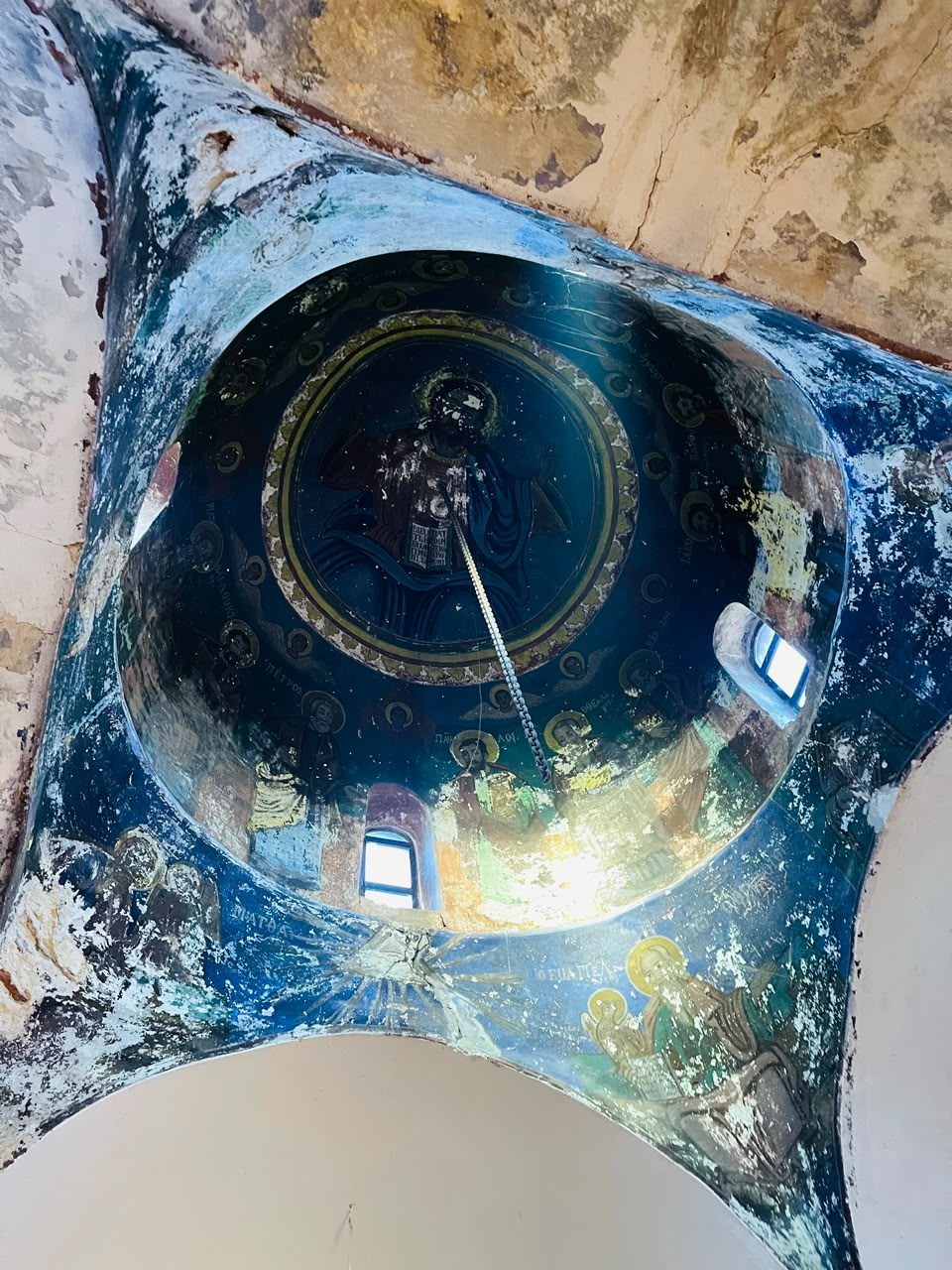
St Mary's Church, Leusë
Famous for its 18th-century frescoes and carved iconostasis.
Culture & Heritage
Churches, tekkes, history, traditions and the people who keep them alive.
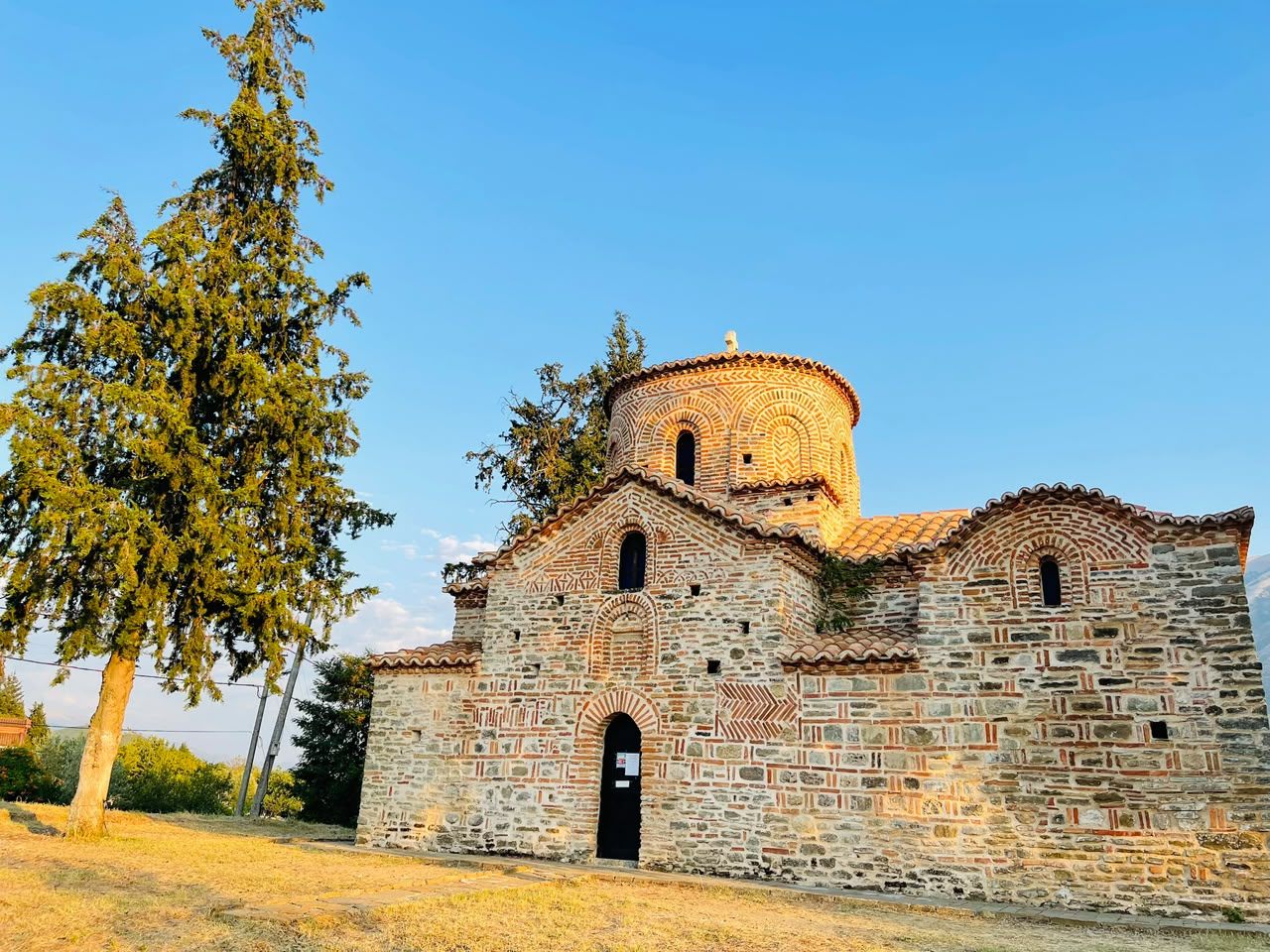
Discover centuries-old churches with remarkable architecture, unique frescoes and a deep connection to the history of the Vjosa Valley.
Famous for its 18th-century frescoes and carved iconostasis.
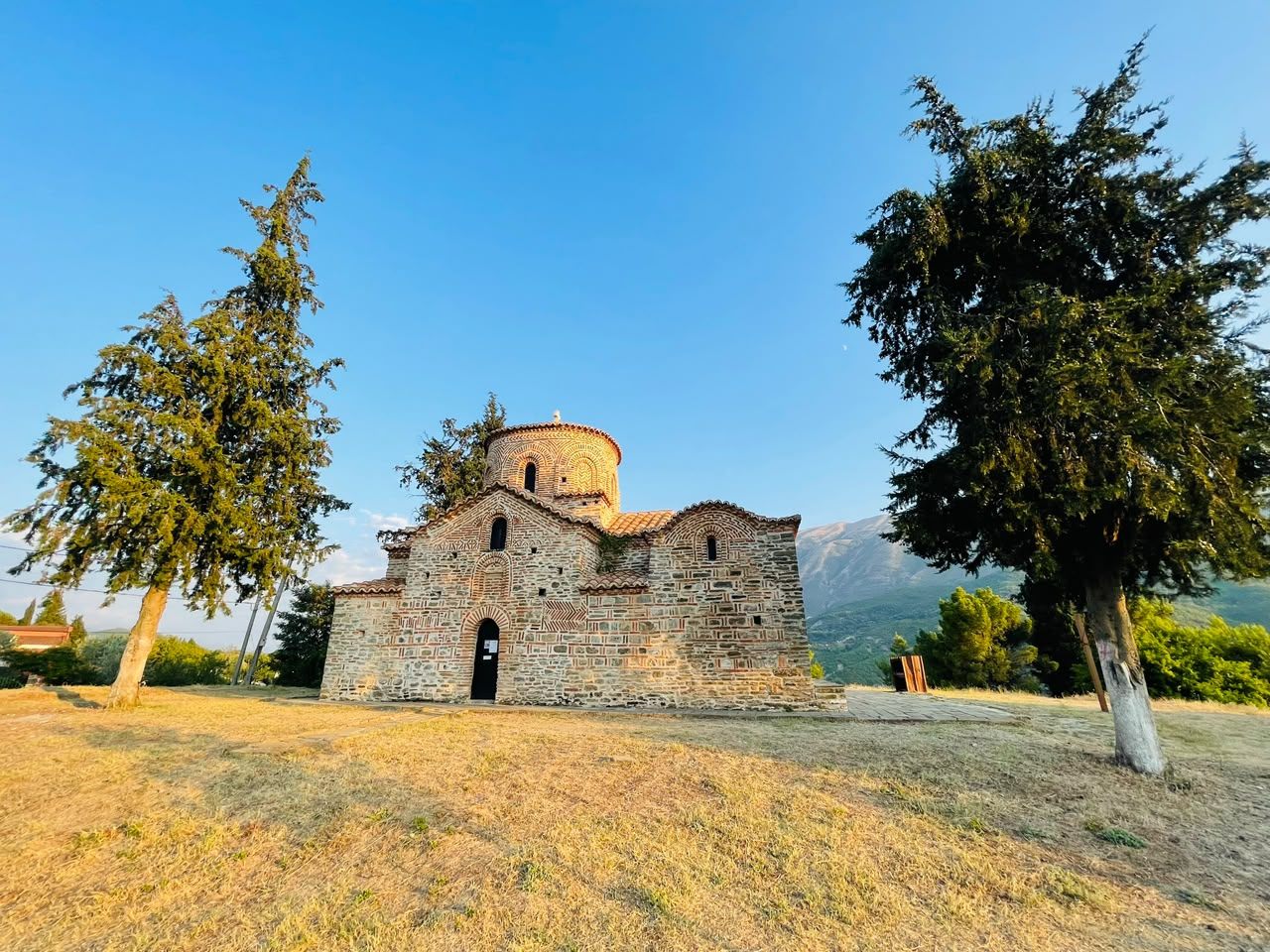
A significant historic church with distinctive Byzantine architecture.
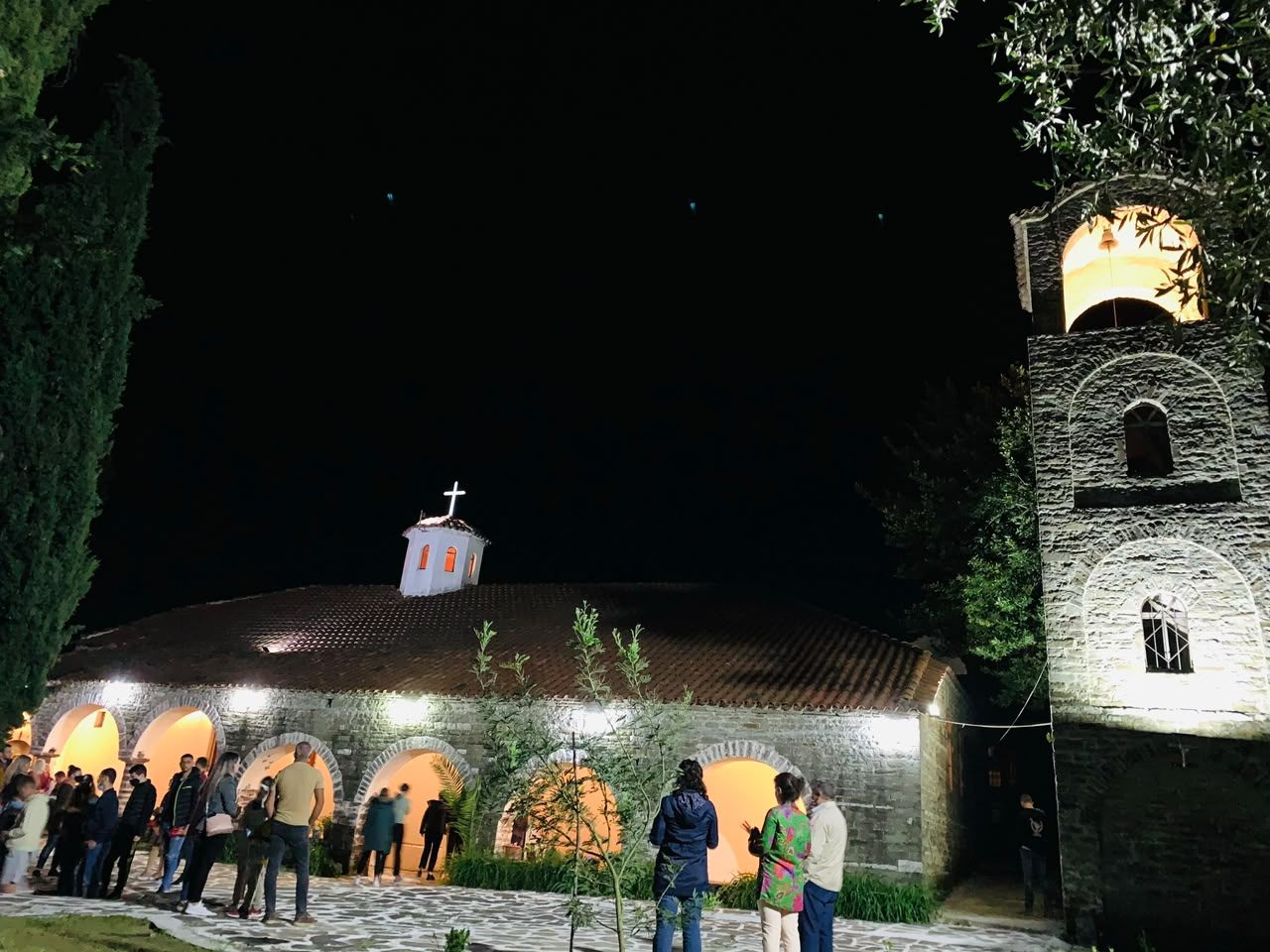
Built in 1776, with wall paintings from 1808 by Terpo Zografi.
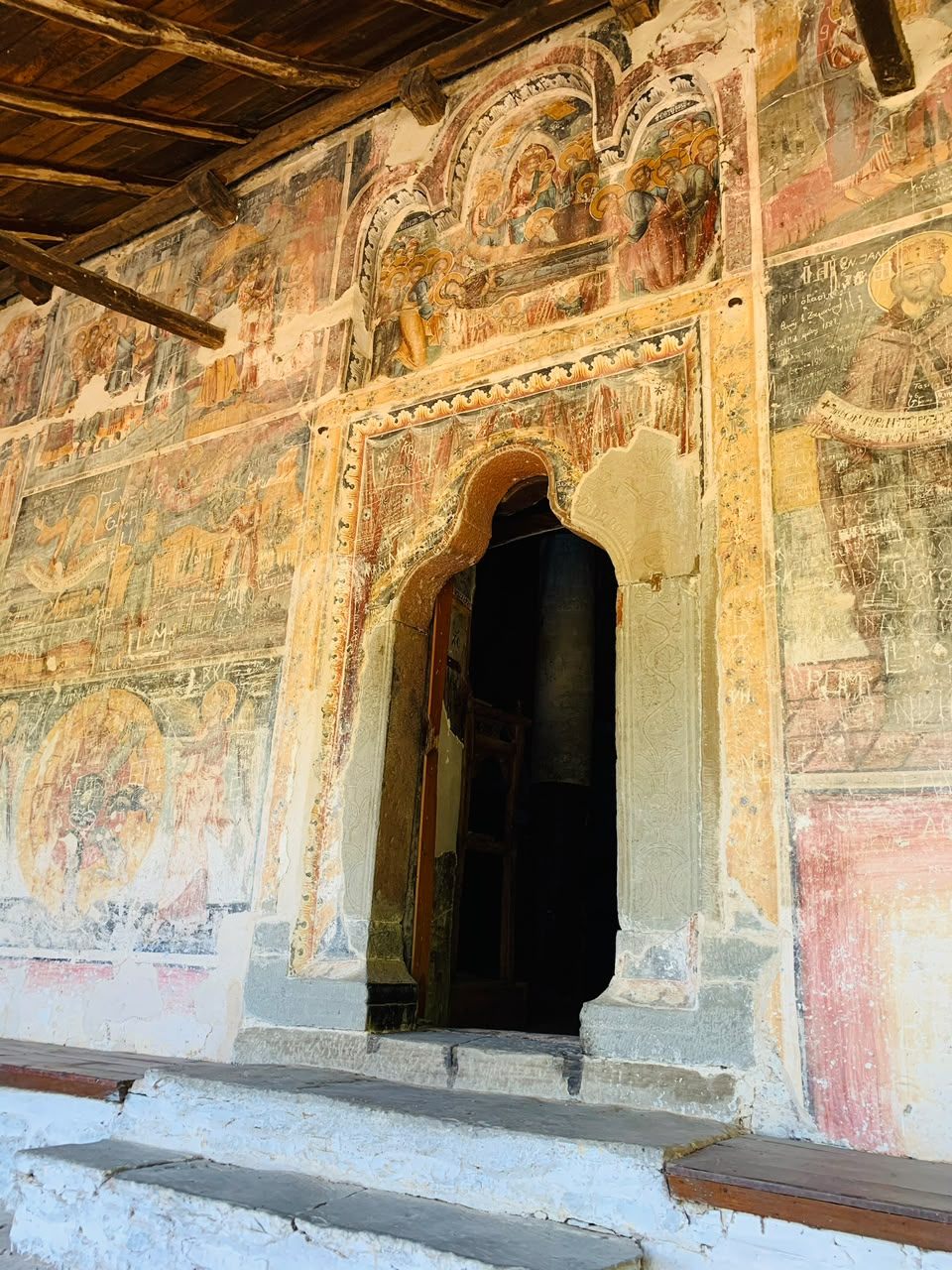
Known for its historic frescoes and peaceful mountain setting.
Teqetë e Përmetit
The hills around Përmet are also home to the Bektashi, a Sufi order of Islam with deep roots in Albania. Its world headquarters is in Tirana.
Instead of a mosque, the Bektashi gather in a tekke (teqe), a spiritual lodge led by a father called a baba. Përmet town once had its own tekke, and two of the best known today stand north of town.
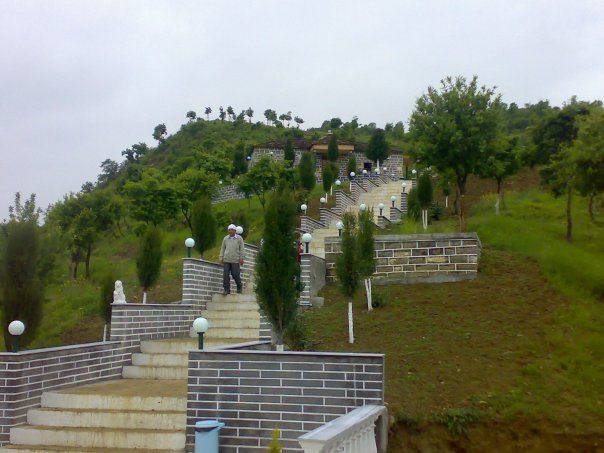
On a hill above the Vjosa valley, looking across to Nemërçka, stands a large Bektashi centre with green-domed buildings and prayer rooms. Its story goes back to about 1767. Baba Ali re-founded it in the mid-1800s and Baba Abdullah in 1903, and Baba Abdullah's tomb here is a place of pilgrimage.
The tekke burned in 1914 and was rebuilt in 1920. It was closed and torn down in 1967, when religion was banned in Albania. Rebuilding began in 1997 and it reopened in May 2003. Pilgrims come every year around 14 May.
In the forest near the village of Frashër stands a smaller tekke, linked to the poet and mystic Nasibi Tahir Babai. Sources date it to 1781 or 1815. In the 1800s it was a stronghold of the Albanian National Awakening: leaders met here in May 1878, and it handed out Albanian-language books when the Ottoman Empire had banned them.
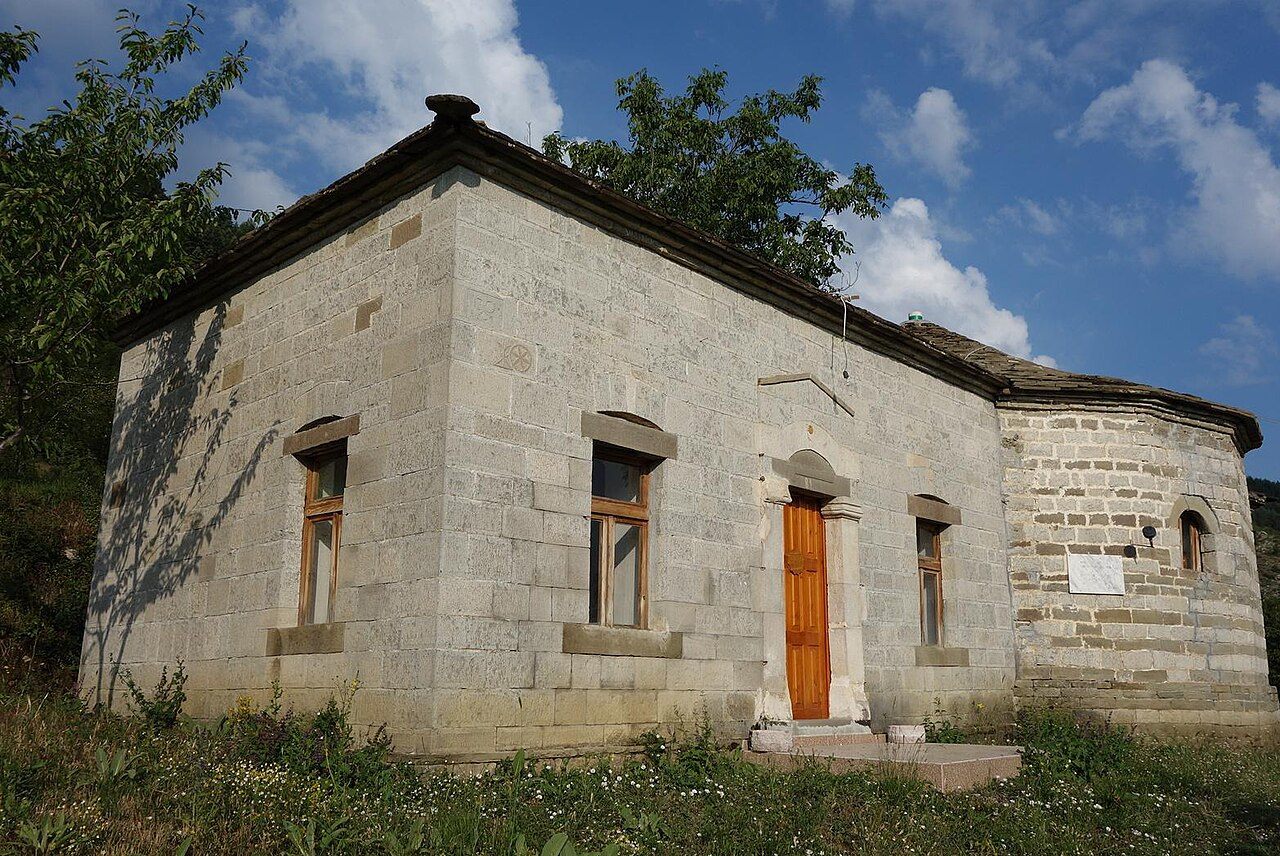
Destroyed in 1914, it was rebuilt in 1923 with help from Albanians in the USA. It has been a cultural monument since 1973, and it opened again in 1995 after the ban on religion ended. Plan a day in Frashër.
Smaller tekkes stand at Suka and near Këlcyrë (Hasan Dede), and Këlcyrë also has a mosque.
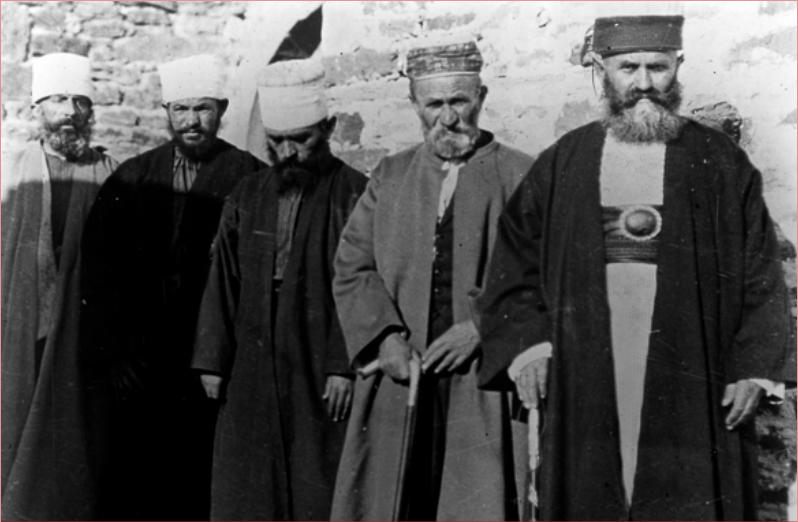
Distances from Google Maps, checked 3 November 2026. Sources: Wikipedia – Teqe of Baba Ali, Wikipedia – Tekke of Frashër, In Your Pocket – Tekke of Baba Aliut, Pine Albania – Teqeja e Frashërit, World Bektashi Headquarters. Photos from Wikimedia Commons: steps to the Tekke of Baba Ali (public domain); Frashër Tekke by malenki (Mapillary), CC BY-SA 4.0; dervishes in Përmet, 1904 by Evan MacRury (public domain).
History & Heritage
For centuries, travellers and traders followed the Vjosa through Përmet, crossing its rivers on graceful stone bridges.
The nearby mountain village of Frashër was the birthplace of the Frashëri brothers, writers and thinkers who led the Albanian National Awakening in the 19th century. In May 1944 Përmet hosted the Congress of Përmet, a turning point in the country's modern history. Today the town is also known for its musical tradition, with instrumental folk ensembles that are famous throughout Albania.
The Frashëri brothersBorn in nearby Frashër, they gave Albanian culture some of its most important works.
Congress of PërmetA key moment in modern Albanian history took place right here.
Stone bridgesBridges like Kadiut at Bënjë still span the rivers today.
From local craftsmanship and traditional cuisine to festivals and seasonal celebrations, Përmet preserves a unique cultural identity that is still very much alive.
Discover Traditions
Good to know
Churches, history and traditions in a few lines.
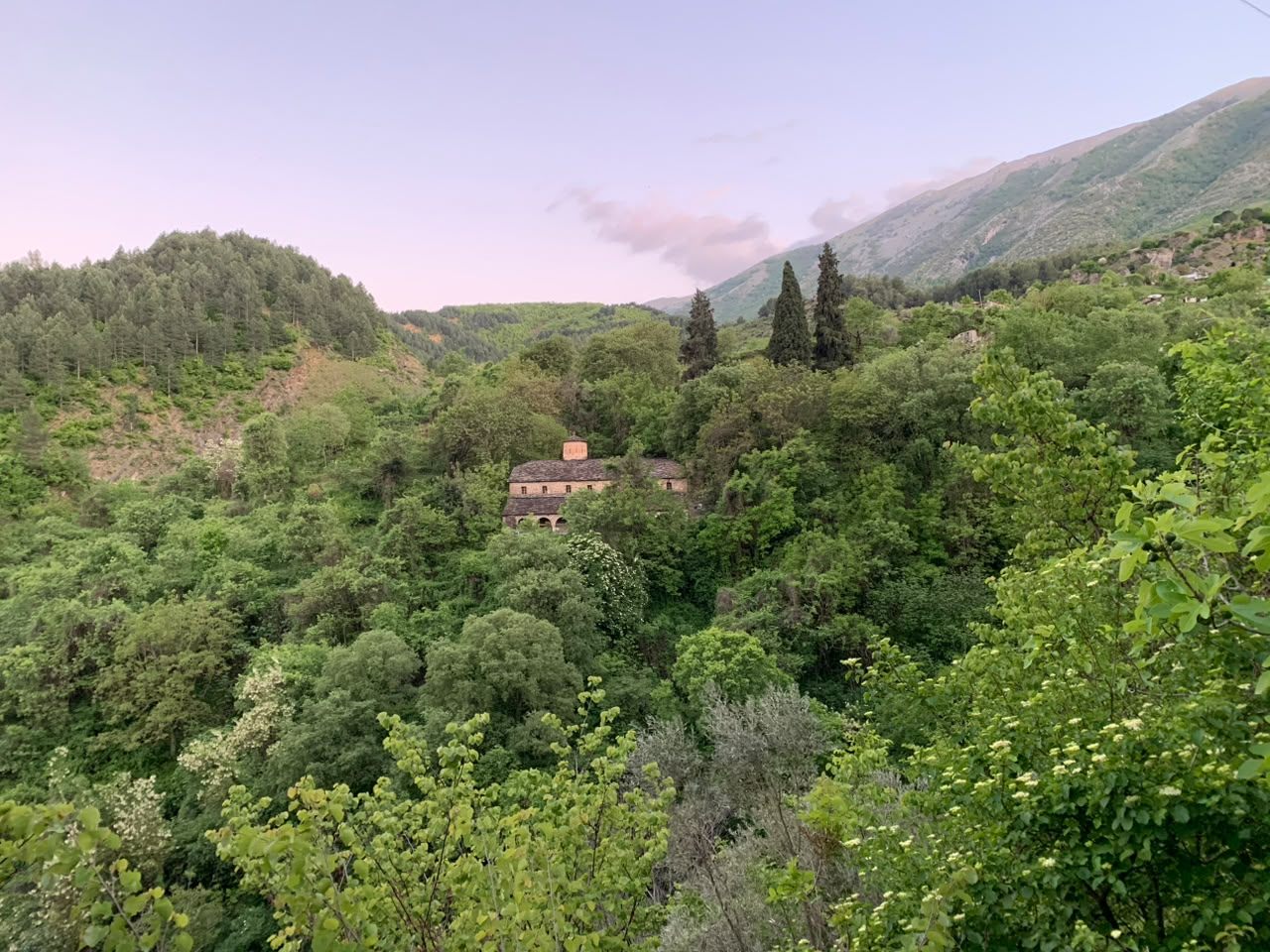
St Mary's in Leusë, known for its 18th-century frescoes and carved iconostasis; St Mary's in Kosinë, with Byzantine architecture; St Friday's in Përmet town, built in 1776 with wall paintings from 1808 by Terpo Zografi; and St Elijah's in Buhal.
Many village churches are kept locked outside services. Ask in the village or at your guesthouse who keeps the key, and dress modestly.
The Bektashi gather in a tekke (teqe) rather than a mosque. The Tekke of Baba Ali at Alipostivan, a large centre with green domes, is 19 km from Përmet, about 33 minutes by car. The Frashër Tekke stands in the forest near Frashër, 39.4 km from town.
A meeting held in Përmet in May 1944 that became a turning point in Albania's modern history.
Writers and thinkers born in nearby Frashër who led the Albanian National Awakening in the 19th century.
Yes. Përmet's instrumental folk ensembles are famous throughout Albania. Listen out for them at festivals and celebrations.


